PREPARE in a YEAR
August: REUNIFICATION

What are the chances that when disaster strikes that everyone in your household is together? Slim. Unless it's the middle of the night and everyone is in bed, the strong likelihood is that someone will be at work, some at school, perhaps someone is across the water or up-island shopping. How to get back together with loved ones is one of the major stressful questions that plague people in the midst of a disaster.
While it is impossible to anticipate every situation and make concrete plans, there are steps you can take now that could make a huge difference in how quickly and easily you can reconnect with your loved ones.
Make a plan
Decide as a family on multiple possible meeting places. Some may be near your home, some further away to be used if evacuation is necessary. Think of possible situations—in a fire scenario, sheltering on a beach, far from trees, might be a good idea. With the threat of a tsunami, the beach is the last place to consider.
Everyone, including children, should have a list of phone numbers for emergency contacts. Children should carry these in their school bag or backpack. This list should include an out-of-state friend or relative that can serve as a point of contact if local communication is difficult. (It's good to have a hard copy in your go-bag in case your phone is lost or damaged or you can’t get it powered.)
Go bags and school bags should include recent photos of family members.
Talk with neighbors and friends about checking on your children or vulnerable family members if you are off-island.
In planning, remember to consider family members with special needs!
Talk with your school or day-care provider about their plans to evacuate and reunify children in the case of a disaster. It is recommended that if you are under an evacuation order you should NOT try to get to your child’s school before you evacuate, because the school is already trying to evacuate: Post-Disaster Reunification of Children: A Nationwide Approach.
It’s important during an emergency to stay informed of emergency warnings and updates!
If you are separated from loved ones
Alert Red Cross Northwest—they will help with reuniting children, elderly, those with special needs, and those who don’t understand English. You can register with American Red Cross - Daily Operations - Reunification
If your loved one has a cell phone, and cell towers are functional, try:
Calling during off-peak hours
Text messages (these are less data-intensive and may get through)
Messaging through your loved one’s favorite social media page
Sending an email
Calling friends, relatives, neighbors, school, church, etc.
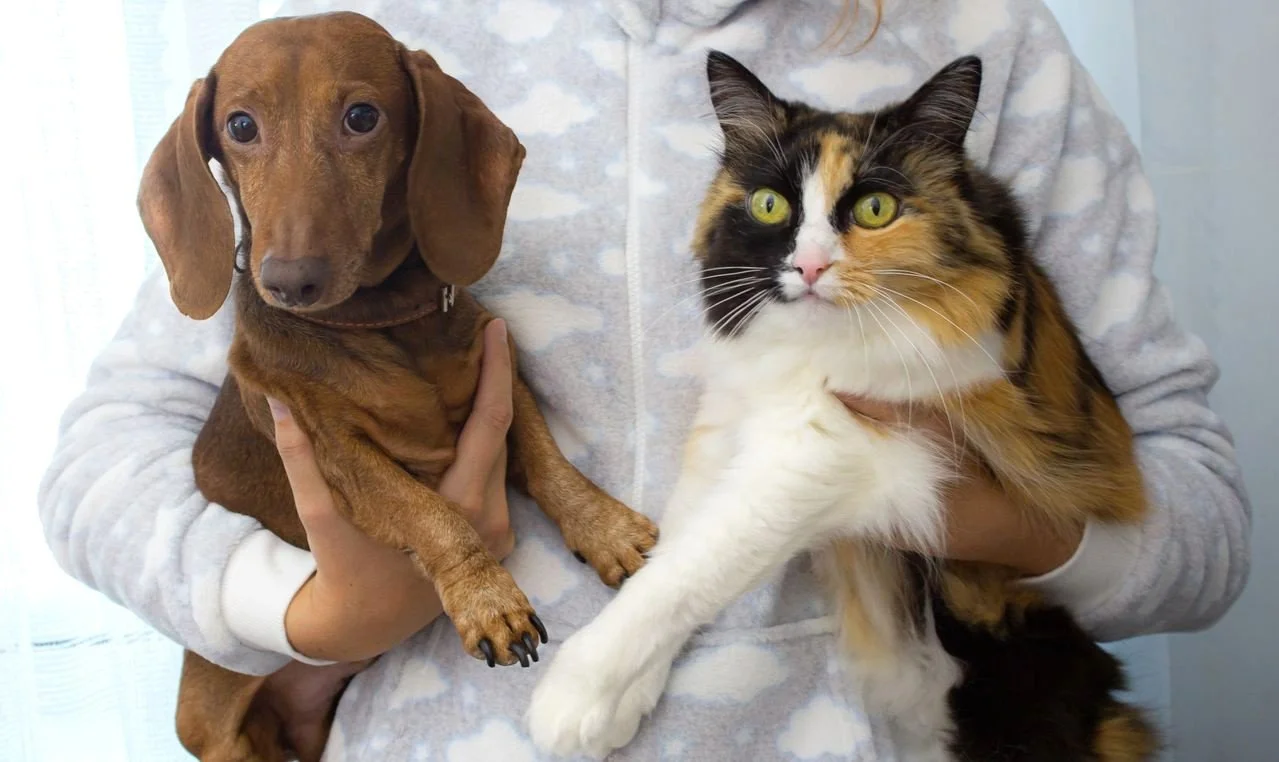
Animal reunification
Let your neighbors and friends know about animals that may need help if you are off-island.
Microchip your dogs and cats, and make sure your contact information is up-to-date with the microchip company. Any vet can read a microchip and contact the company.
Take pictures of your pets and other animals you care for in case they must be released in a disaster. Include brands, ear tags, etc. in the photos.
Learn more