
Resource library
Learn from other sources
Emergency preparedness is all over the internet.
Videos
Understanding the Cascadia Subduction Zone earthquake
This 36-minute video explains the Cascadia Subduction Zone risks, how to prepare your household, and how to tell whether leaving the building or ducking and covering is the better option during a massive earthquake.
Island Prepares presentation
This 2025 presentation to Whidbey residents discusses the 15-year journey of Bainbridge Island to prepare for a disaster. Afterwards, Eric Brooks, director of emergency management for Island County, spoke about his dreams for preparing for disasters.
Unprepared
In 2015, Oregon Public Broadcasting produced a documentary examining how Japan fared from their 2011 earthquake revealed how unprepared Oregon is for the Cascadia Quake. While we are not Oregon and we are unlikely to experience a tsunami like what will hit that coast, the lessons are many from this excellent production. ~ 1 hour
Disaster Planning: Cascadia Rising
In June 2017 state, county local and tribal emergency management, plus FEMA and all our military sectors —23,000 people—participated in a 9-day drill to discover how well prepared they are for a major earthquake. King 5 reporter Glen Farley reports. ~ 9 minutes
Great Earthquakes of the Pacific Northwest
Treat yourself to a whole series of presentations by Nick Zentner, professor at Central Washington University.
News and magazine articles
In this January 5, 2026, opinion piece in the New York Times, author David Wallace-Wells reflects on the devastation and aftermath of the 2024 Los Angeles fires, what has been learned and what has not changed. It’s a sobering reminder to us all that we are better off preventing and protecting ourselves from fire than hoping to recover from it.
The Key to Disaster Survival? Friends and Neighbors
NPR aired this program in 2011. After surviving Hurricane Katrina, Daniel Aldrich started thinking about how neighbors help one another during disasters. He decided to visit disaster sites around the world, looking for data. Aldrich's findings show that ambulances and firetrucks and government aid are not the principal ways most people survive during—and recover after—a disaster. His data suggest that while official help is useful, government interventions cannot bring neighborhoods back. Rather, it is the personal ties among members of a community that determine survival during a disaster and recovery in its aftermath.
New York Times Magazine printed an excellent article in 2015. It’s an informative and sobering look at the damage the Cascadia Fault will cause when it finally moves. It continues to be quoted these many years later.
Emergency Preparedness by WireCutter
Check out the whole section on preparedness, including supplies suggestions, how this work isn’t just for “preppers”, and the story of two journalists recovering from the 2025 LA basin fires. This site offers a lot to explore.
5 Reasons Policymakers Should Prioritize Disaster Resilience
If you are curious about the role/responsibility of our law-makers, PEW posted this article where they assert that extreme weather events such as flooding, wildfires, and heat waves are becoming more frequent and severe. Appropriate planning for and investing in disaster resilience helps communities withstand, adapt to, and bounce back from these events.
Social capital and community resilience: A conversation with Daniel Aldrich
This interview from Resilience.org highlights the importance of social capital after a disaster. Daniel Aldrich is an expert in social capital and disaster recovery whose research was shaped by fleeing Hurricane Katrina with his family and enhanced by service as an American Association for the Advancement of Science (AAAS) Fellow at the US Agency for International Development (USAID).
Why Wildfire Experts Are So Worried about This Year’s Fire Season
This article from Inside Climate News describes how, with a puny snowpack in the Western mountains and a widespread drought, the nation is a tinderbox. They explore whether national resources are ready for the challenges. Island County is included in the map of drought areas.
Ready, Set, Respond: West Coast Pilots Prepare for Disaster
This article from EAA Aviation Center describes how a Washington State pilot initiated the West Coast General Aviation Response Plan (WCGARP) in 2016 as an umbrella for aviation groups from Oregon, Washington, Idaho, California, and British Columbia that share a similar goal: preparing pilots to respond to disaster.
Books
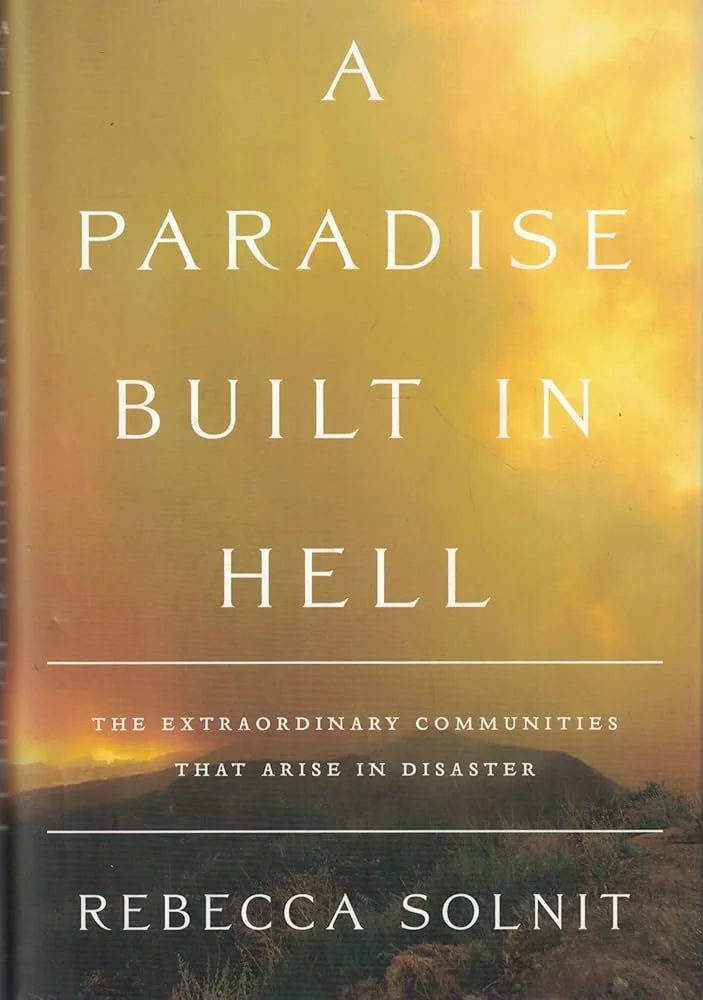
The most startling thing about disasters is not merely that so many people rise to the occasion, but that they do so with joy. That joy reveals an ordinarily unmet yearning for community, purposefulness, and meaningful work that disaster often provides.
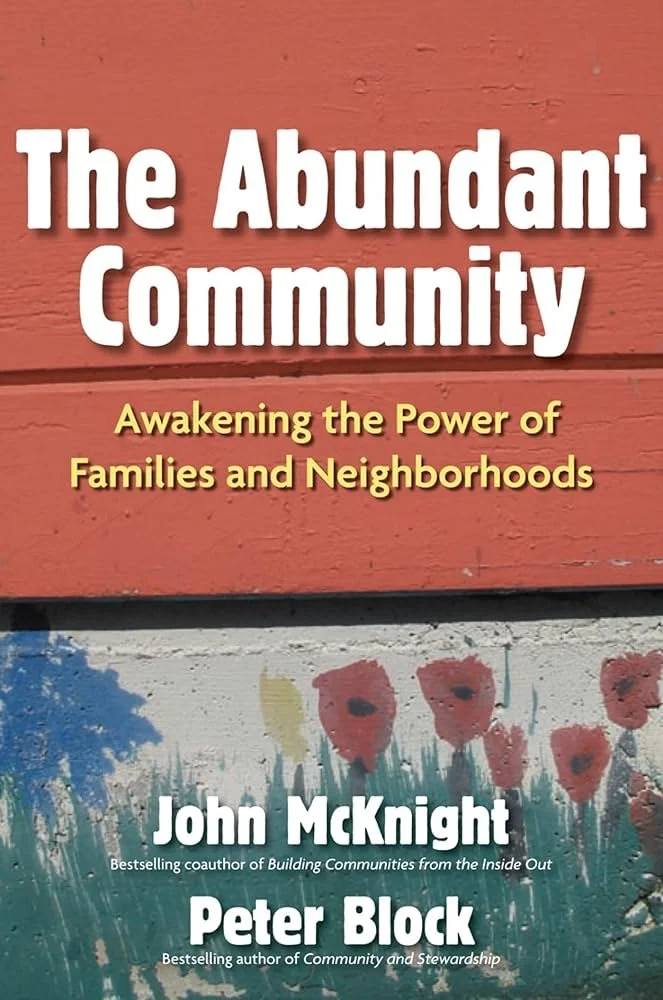
We need our neighbors and community to stay healthy, produce jobs, raise our children, and care for those on the margin. Institutions and professional services have reached the limit of their ability to help us.
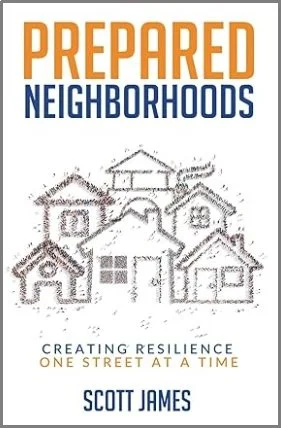
Self-sufficiency for every citizen is not realistic nor desirable. Prepared Neighborhoods will walk you step by step through creating a more resilient—and enjoyable—neighborhood and community.