

Organizing by neighborhood
Become a neighborhood champion
What is a champion?
Thank you for considering becoming a “champion.” This may be the single most important role in South Whidbey Prepares. Champions are the heart and backbone of this effort—helping neighbors understand why preparedness matters, helping to organize people and resources, and inspiring them to take action before disaster strikes.
Some folks may say they don’t have time, but you know that being prepared is the best kind of insurance. As a champion, you will encourage and guide your neighborhood through that journey—from awareness to real commitment.
You don’t have to do it alone! Partner with someone who loves to host gatherings, organize details, or crunch data. Building resilience is more fun (and more effective) when you team up with a few allies. We cultivate a spirit of generosity with each other.
Here’s how we support you:
First, let us know you are interested.
We have ample resources available—see the Roadmap below with links to resources on separate webpages. While the Roadmap presents a proven method for neighborhood organization, it is meant to provide guidance, not a recipe. Pick and choose from the alternatives for what fits your style and the needs of your neighborhood. A text version of the Roadmap provides some additional detail. If you don’t see what you want, let us know. We have a working group willing to help, mentor, advise—whatever you need. A fundamental value of this initiative is helping one another. We encourage and welcome new ideas.
We host several monthly meetings. We learn and laugh together, share stories of successes and help one another with obstacles that crop up. Choose one:
New Champions Meeting: A great place for new champions to get their feet wet, meet other like-minded individuals and ask questions of other champions. The third Wednesday of each month, 5pm at the Bayview Fire Station
Monthly SWP Meeting: Champions and other SWP participants. Usually includes a relevant presentation from a subject-matter expert. The third Wednesday of each month, 6pm at the Bayview Fire Station
Monthly SWP Meeting: A duplicate of the Wednesday meeting. The day following the Wednesday SWP meeting. 2pm at the Clinton Community Hall
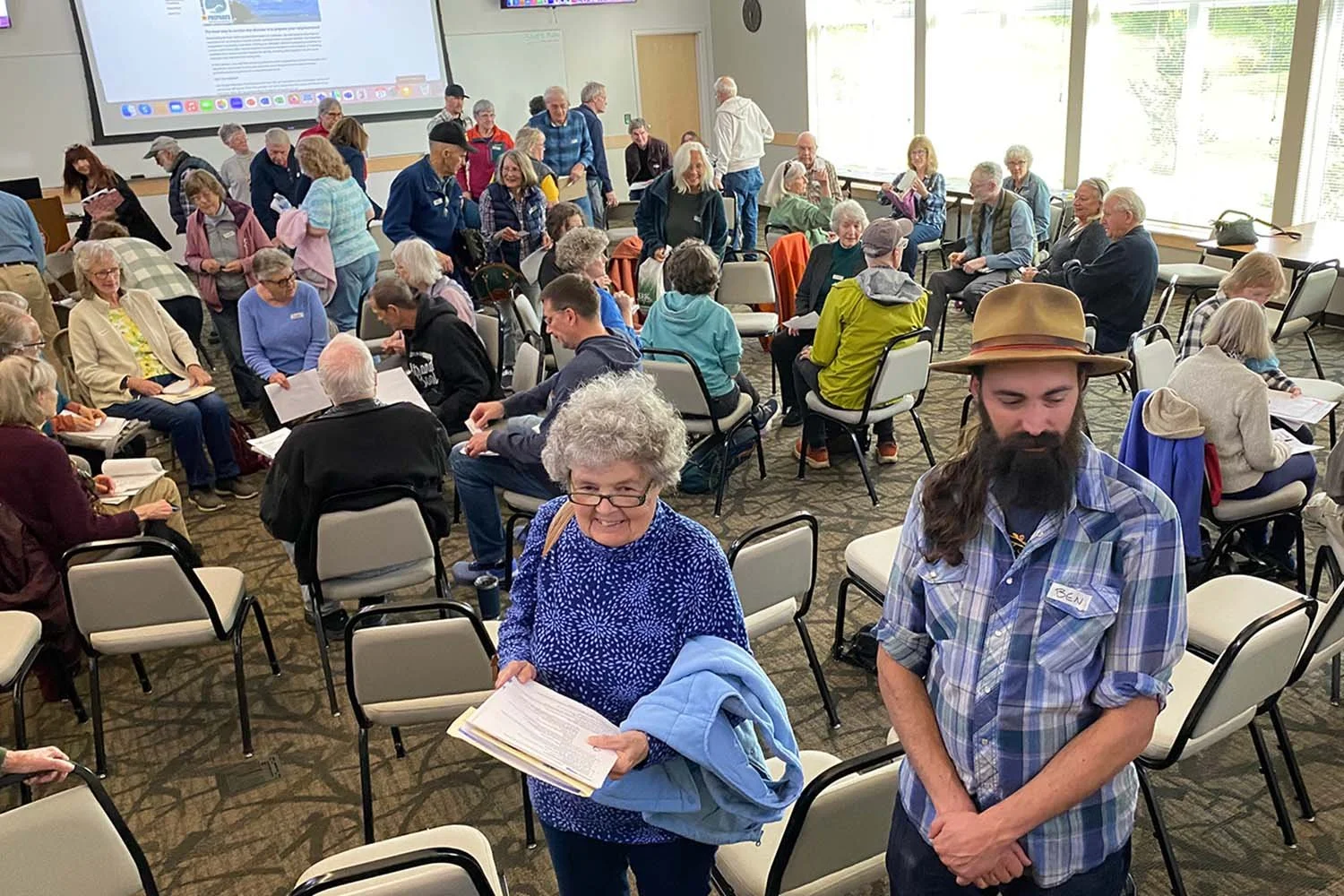
Monthly meetings that deliver useful information, champions have the opportunity to learn from and each other, working groups and other experts.
The path to success
Step 1: Communicate the need
Find a friend to help you initiate a campaign in your neighborhood.
Engage the help of the South Whidbey Prepares (contact the Neighborhood Development Working Group, talk with other champions).
Develop interest. Here are some options. Select what works for you.
Host a party to energize folks and find more allies.
Leverage existing groups: HOAs, road or water districts
Door knock
Distribute flyers
To help you start here are some possible resources
Sample letter of introduction you can customize and leave with neighbors
Colorful tri-fold that explains the need to prepare
Sample first meeting agenda which you can customize for yourself
Once a group of interested participants is identified, it’s time to hold an initial gathering.
Step 2: The Initial Meeting - Build community
Bring folks together for a relaxed meeting to discuss next steps. Come prepared with a basic overview of preparedness basics or invite a local expert if desired.
(SWP can provide assistance here.) Employ a list of sample questions and discussion points such as:
What would you do in the event of a major earthquake, wildfire, major wind event, etc.?
What if you were off island when an event occurs?
Are you prepared to live without power, or water for 2 weeks?
Attempt to compile:
List of steps that neighbors will take in an emergency
Neighborhood map (SWP can help with this)
Important information about neighbors
List of assets / skills in neighborhood
We recommend you use “Map Your Neighborhood” (perhaps with the variations at Resources for Champions, such as the version tailored to rural neighborhoods).
Tally information and share with all neighbors. Have a conversation about what you discover and any implications. If critical skills are missing, consider getting some training.
Celebrate every step! We won’t do this if we don’t have fun. ☺️

Step 3: Prepare individual households
Your job now is to prepare your own household:
Emergency plan for your household (on island / off island)
Two weeks of food and water
Source of electricity and/or heat if needed
Earthquake-proof home
Etc. (see How to get prepared)
Encourage all your neighbors to prepare their homes.
Host monthly or quarterly events for folks to report their progress.
Share “deals” as you come across them and encourage others to do the same. Would a bulk purchase of some items (like water containers or freeze-dried food) be helpful?
Website Resources:
When step 3 is well under way or even done, pat yourself on the back.
Step 4: Prepare as a neighborhood
Discover if you have any area-specific dangers (tsunamis, floods, liquefaction, etc.) by studying the Island County Map Gallery
Develop evacuation and stay-in-place plans.
Develop your non-radio communications and radio communications plans.
Consider provisioning a central location where you can gather if homes are significantly damaged.
Register as a “Ready Neighborhood” with Island County Department of Emergency Management.
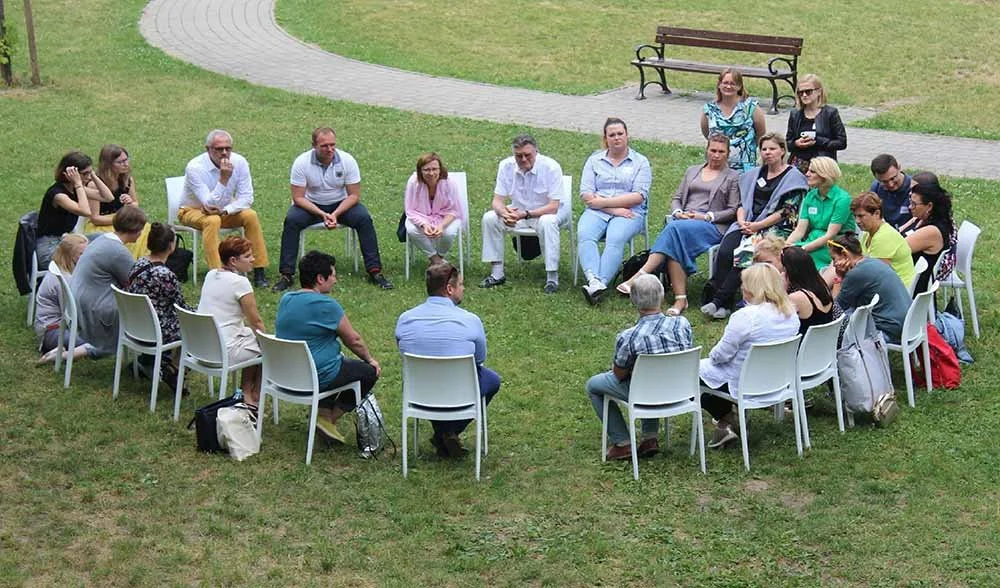
Don’t be surprised if neighborhood meetings create a new cohesion as you work together to be prepared.
Have a party and celebrate!
Step 5: Expand Your Skills
Encourage as many of your neighbors as possible to get CERT trained.
Take Stop the Bleed, First Aid, Wilderness First Responder and other courses to expand your skills.
Learn to use emergency alerting systems such as NOAA radio (available for purchase separately or included with many FRS/GMRS radios) and AlertSense.
Investigate using radios for neighborhood communication.
Connect with adjacent neighborhoods and discover how your skills and resources expand. How can you help each other?
Congratulations! You are South Whidbey Prepared.
Step 6: Practice and Stay informed
Conduct neighborhood drills and exercises (see Suggested drills and exercises on Resources for neighborhood champions)
Participate in drills and exercises sponsored by South Whidbey Prepares and Island County’s Department of Emergency Management.
Attend SWP meetings
Step 7: Keep Going! Renew, Review and Update
Renew your commitment. It really pays to keep in touch. Have a party every year, or better yet gather every few months to learn how everyone is doing.
Conduct periodic Map Your Neighborhood (MYN) refreshers
Update MYN information as required.
Review your data. Who has moved away? Who has moved into your neighborhood? How have your skills and resources changed?
Adjust neighborhood plans as necessary.