
How to get prepared: Medical readiness
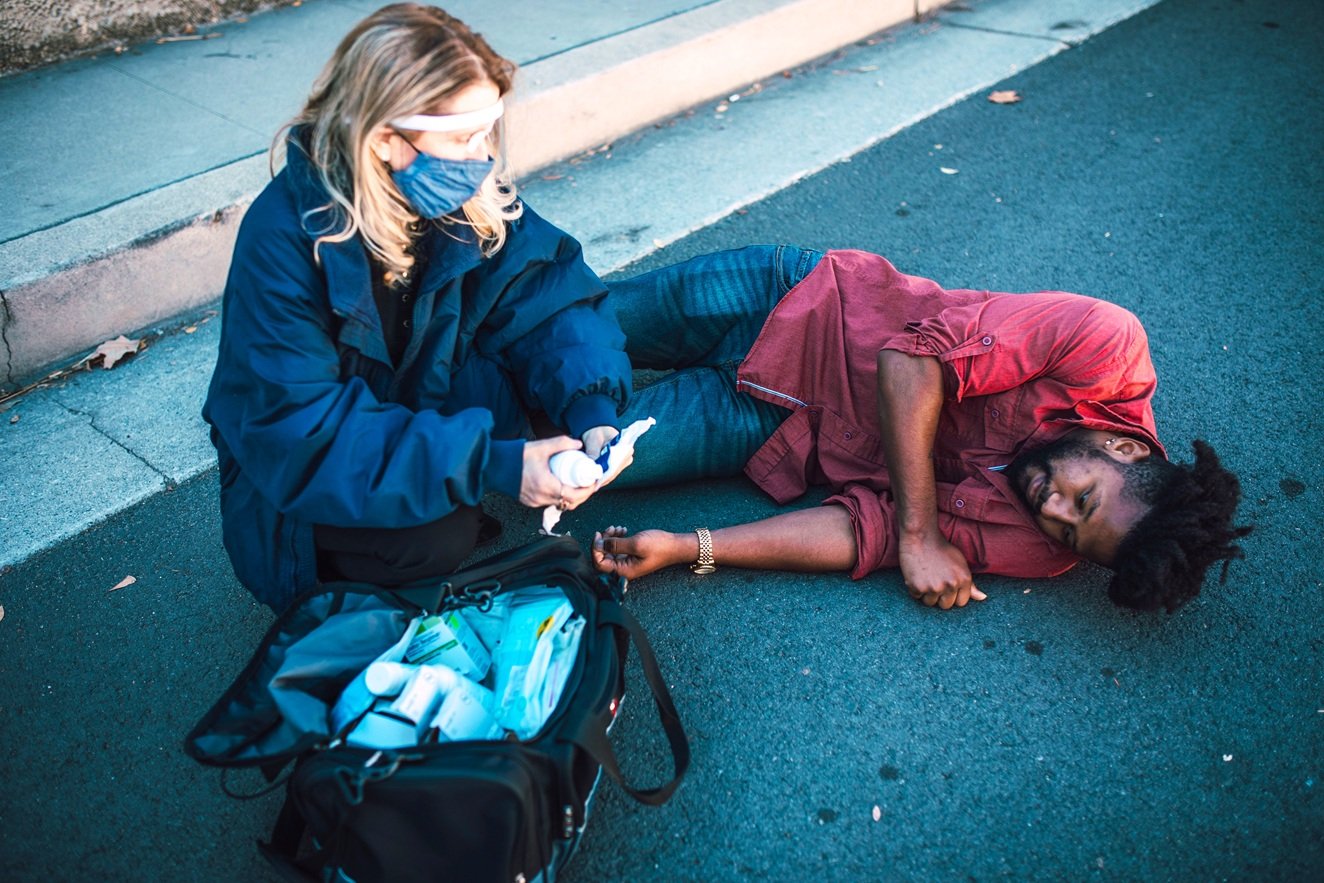
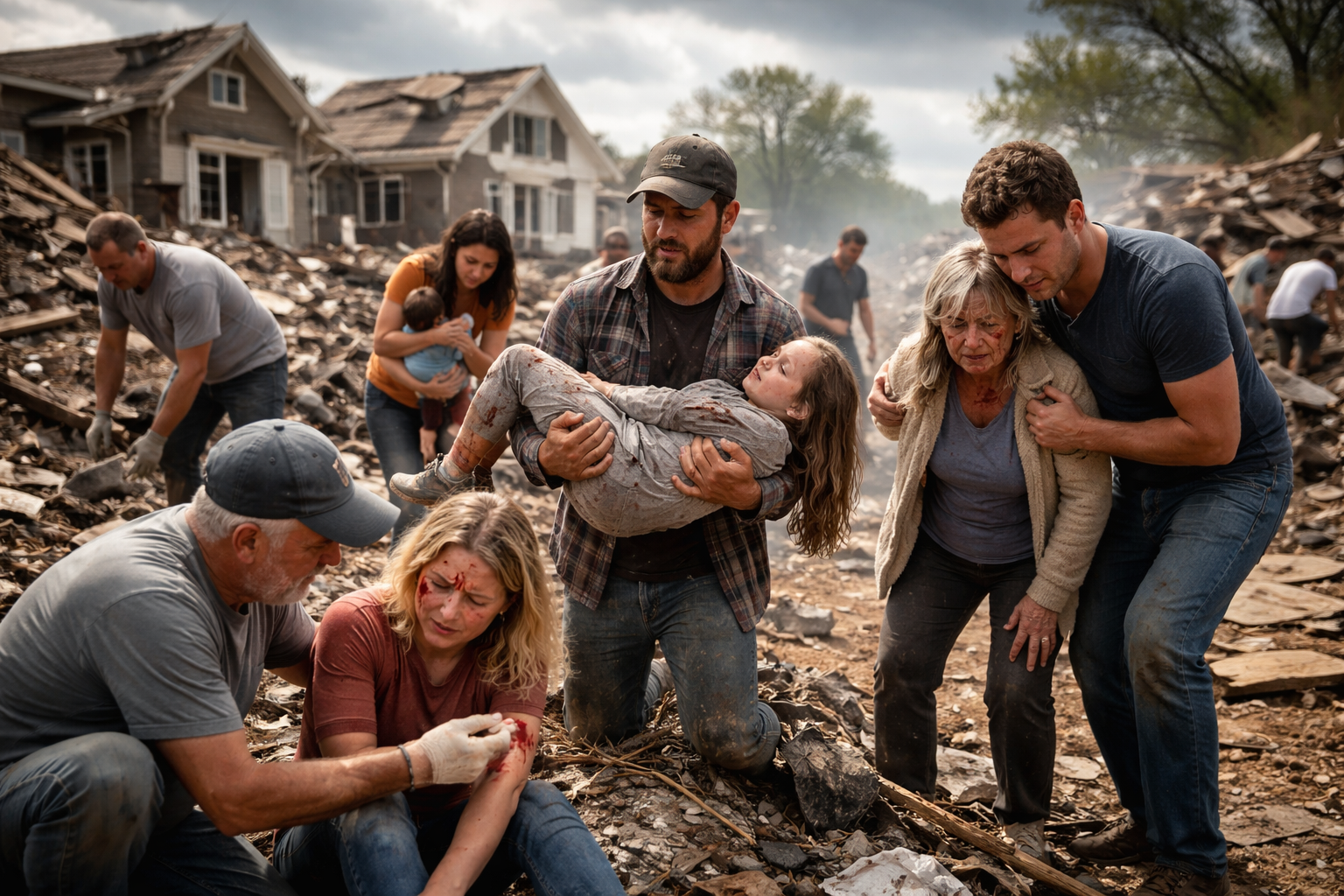
When disaster strikes, we know medical responders may not be immediately available to attend to every one of our needs. Being medically ready for a disaster involves two complementary pieces:
Having medical supplies
Having the knowledge and skill to use the supplies appropriately
Either piece on its own is not sufficient to ensure you are prepared—both are needed. This doesn’t mean that you have to have both yourself. If you have supplies, but a neighbor has the training for using them appropriately, you’re ready as neighbors for illness or injury. The more households that have first aid supplies, and the more people that have life-saving skills, the better for everyone!
Gathering medical supplies
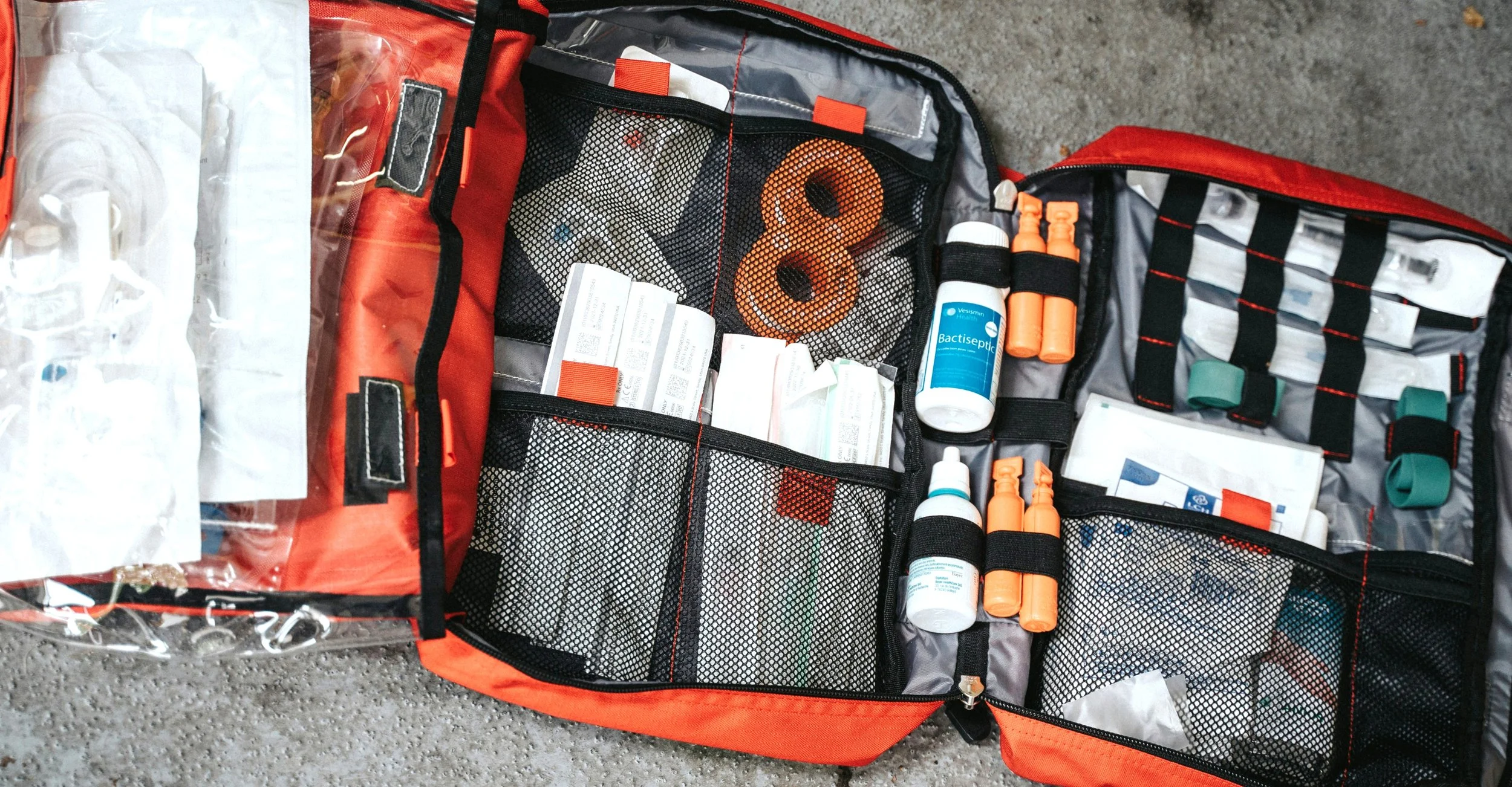
The first aid supplies you put together will be determined in part by your level of training. Here is a list of basic items to consider including in your kit, along with some more advanced supplies. Do consider that in a disaster you may be the one using the kit, or you may be having it used on you! That realization may affect what you include.
Over-the-counter medications
Acetaminophen (Tylenol) or an NSAID such as aspirin or Advil. Note that children require different dosages!
Anti-diarrhea medication such as Imodium
Anti-nausea medication such as Pepto-Bismol, Kaopectate or Dramamine
Chewable aspirin, 81mg (for a suspected heart attack)
Antihistamines such as Benedryl for treating mild allergic reactions
Supplies
Sterile disposable gloves
Hand sanitizer
Saline wound and eye wash
Trauma shears to cut clothing or bandages
Tweezers
Feminine hygiene products for stopping bleeding of wounds
Band-Aids, various sizes
Gauze pads, various sizes
Roll of self-adhesive bandage wraps
SAM splint (available at Amazon or REI)
Triangular bandage
More advanced supplies
Hemostatic gauze to help blood clot
Tourniquet (a CAT tourniquet is recommended)
Permanent marker to record the time a tourniquet is placed
Chest seals (Hyfin vent) for an open sucking wound to the chest
Developing disaster medical skills
Skills can be learned and enhanced by taking courses like First Aid, CPR and Stop the Bleed offered frequently by our fire department. This website maintains lists of upcoming local medical classes on our Events page.
Health professionals have formed a working group to enhance disaster medical preparedness on South Whidbey.
Learn more
Let’s talk
Do you have helpful information to add? Or perhaps a question you’d like to pose to this community? Use the comment box below.