
PREPARE in a YEAR
June: PREPARE FOR WILDFIRE
Right NOW, before everything gets too hot and dry, is the perfect time to prepare your home for the coming fire season. This one is going to be intense as we know that we will be experiencing a Super El Nino—perhaps the most intense ever. Whidbey is not immune to fire, and despite winter rains, our forests are drying out. And July 4th is coming up with fireworks that will increase the danger.
In this Prepare in a Year segment, we suggest these measures that reduce the risk of losing your home to a wildfire. The list runs from the easiest maintenance steps to more expensive “hardening” measures that you might consider.
Basic preparation
Clean debris out of gutters and off roofs.
Rake flammable debris (pine needles, dry leaves, bark mulch, etc.) away from foundations, leaving at least 5 feet clear. Consider a nonflammable zone of gravel or pavers around the base of the house.
Remove all firewood stacked near the house and store at least 30 feet away.
Clean all flammable debris and items out from under decks.
Trim all vegetation at least 5 feet away from the house.
Take out all conifers, holly and bamboo within 30 feet of the house, as these catch fire easily and burn hot and fast, and produce more embers.
Keep only fire-resistant vegetation between 5 and 30 feet from the house, and keep it watered and properly pruned.
Install “ember screen”—metal 1/8” to 1/16” screening—in all house vents, including foundation vents, bird blocks, gable vents, roof vents, and such, plus at the leading edge of decks that are close to the ground. You and your neighbors might consider getting a roll from the hardware store and sharing it!
Keep lawns near the house mowed short in the summer.
Maintain a 10-foot radius around propane tanks clear of debris, grass and anything combustible. Remove tree branches hanging over your propane tank.
Clear brush, broken branches, low branches or anything that can catch fire and cause it to run up into tree tops. These “ladder fuels” should be kept at least 30 feet from your house.
Move flammable items off decks and away from the house, like outdoor furniture and toys, particularly in the event of a fire warning. Store small propane tanks, such as those used for a barbecue, at least 30’ away from the house when conditions are hot and dry.
Further measures to think about
When you need to replace a roof, deck, or siding, strongly consider using materials that are “Class A” rated for fires, like metal roofs, cement board siding (such as HardiePlank) and deck materials that won’t burn.
Evacuating
If you are called to evacuate because of fire, and if you have time:
Turn off utilities.
Remove flammable items from decks, like furniture.
Close all windows and doors, including interior doors.
Grab your go bags, family members and pets and get out.
Learn more


Whidbey Island Conservation District: Wildfire Resilience
Blog post: Spreading like wildfire
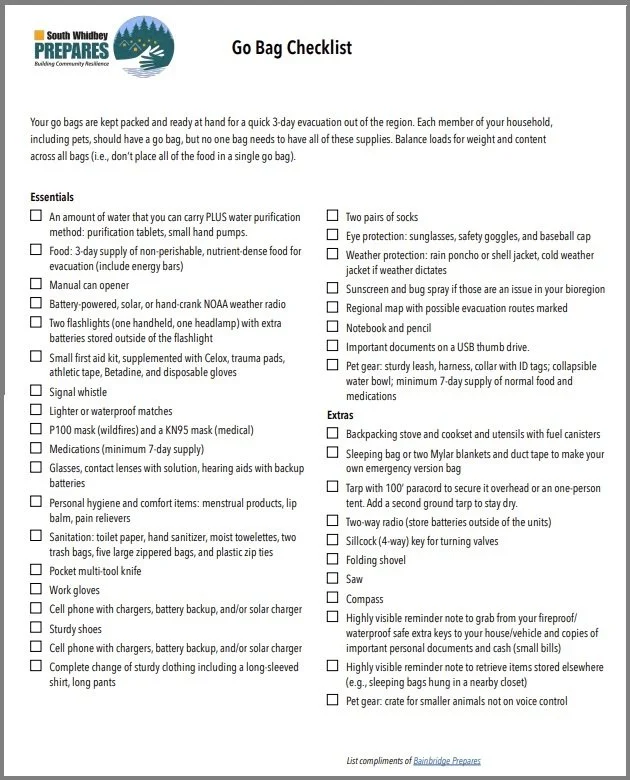
A one-page, printer-ready list of essentials
Inside Climate News: Why Wildfire Experts Are So Worried about This Year’s Fire Season
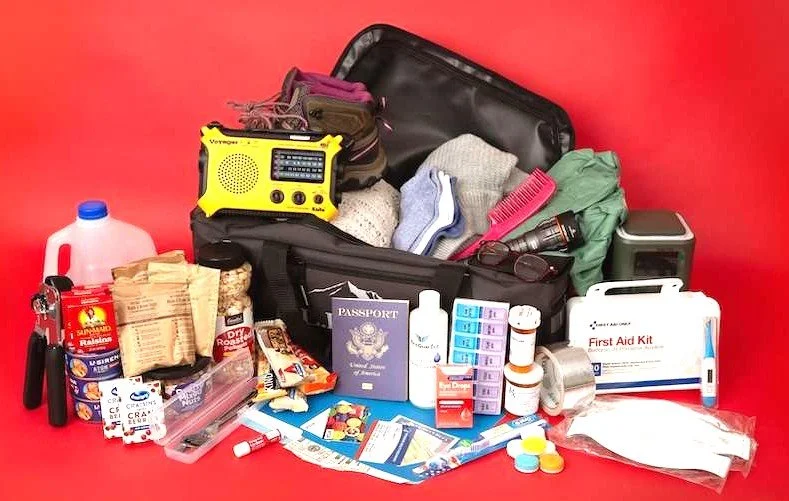
A comprehensive guide