
Prepare in a year
January: WATER
If the power’s out for a while, you still need a way to cook, wash dishes, clean, bathe, and hydrate—life requires water.
As you calculate your emergency water needs, consider how many farm and domestic animals are in your care. How many friends and family might be visiting and dependent upon you for their well-being?
Basic preparations:
We recommend a minimum of 1 gallon per person and animal per day. Store more if you can. Because we are an island and hence more vulnerable, we recommend a goal of 30 days’ supply.That’s a LOT of water so be creative with multiple sources (ponds, cisterns, rain barrels, etc.) to complement the bottled water you store.
Treat and seal the water in BPA-free containers and store in a cool, dark, dry place where it won’t freeze.
Advanced preparations:
Purchase water filtering and purification tools so you can use additional water sources if needed. We recommend -- but you are certainly not limited to—LifeStraw personal water filter and Aquamira Tablets. Other options are easy to find on the web.
Know how to turn off your water at the pipe.
Create and store a portable toilet system. Pay particular attention to location and ensure you can wash with soap after use. Several YouTube videos will show you how to build one with a 5-gallon bucket. Here is just one. King County suggests several solutions.
Keep TP, disposable wipes, rags, hand sanitizer, and liquid soap on hand.
Heroic preparations (preparing to help others)
Connect rain barrels to downspouts for additional storage – OR – install a cistern.
Know how to check your well for damage and get water from it when the power is out.
Know how to check your septic system for damage.
Work with neighbors to store supplies and identify locations for outdoor showers and latrines.
Store extra water for your neighborhood and visitors who might be stranded here.
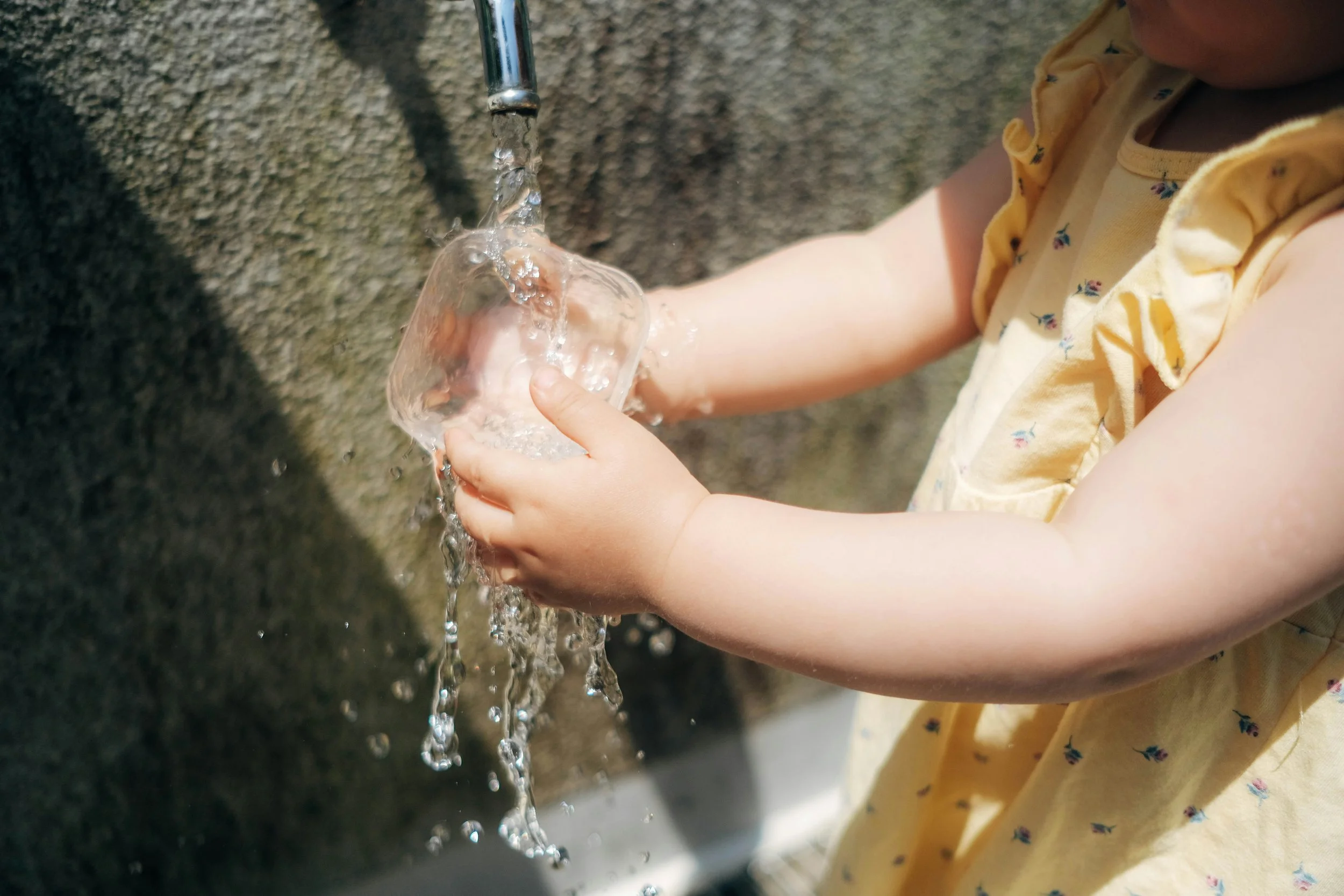
Enter to win a complementary
personal lifestraw
Once you have completed this month’s task and have your water stored, complete this document. Then deliver it to the Bayview Fire Station by 4pm February 12th. The winner’s name will be drawn at our February 18th Champions’ meeting.