
How to get prepared: Growing and preserving food
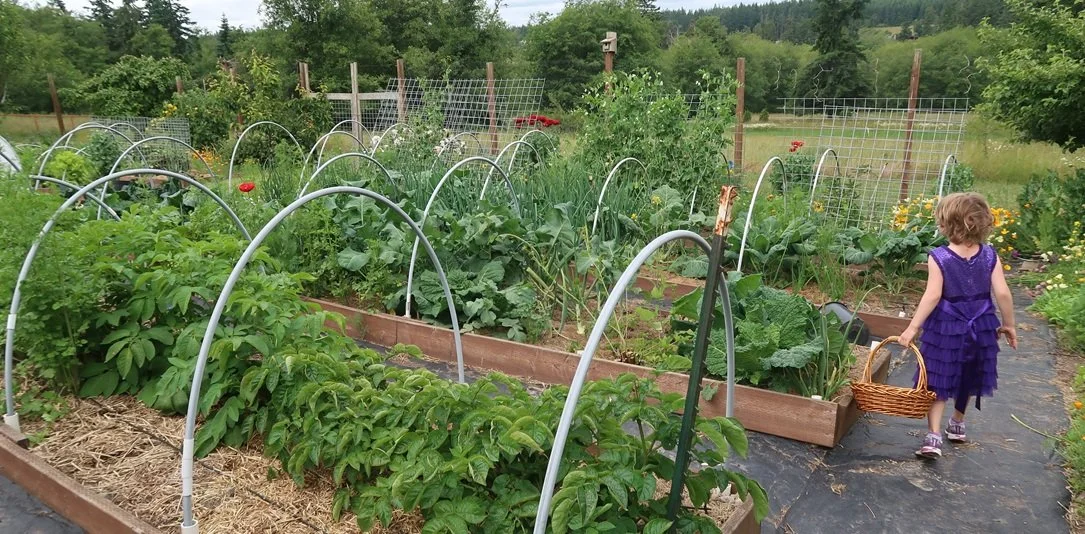
Growing, composting, foraging and preserving food at home have been essential skills throughout most of human history. When grocery store shelves are empty, we’ll need to return to our food-production roots. Start practicing these skills before a disaster and you’ll have the added benefit of fresh, unprocessed food at low cost!
Make these into social activities if that appeals to you—buddy up with a neighbor to spend time together in the garden or kitchen.
Consider creating a neighborhood library of the books listed here. Each household doesn’t need their own copy!
Growing food
Enough books are available on every aspect of growing food crops to fill many library shelves. We recommend finding sources that focus on our local climate and growing conditions, starting with those below. We’re fortunate that here in the Pacific Northwest, something or other can grow in gardens nearly year-round.
If water is scarce
If a disaster, such as an earthquake, has limited your water supply, consider planting summer crops that need less water. Rather than tomatoes and cucumbers, focus on crops that can thrive in less water, such as potatoes and some varieties of squash. Established fruit trees also need less water than annual crops.
Resources for growing food
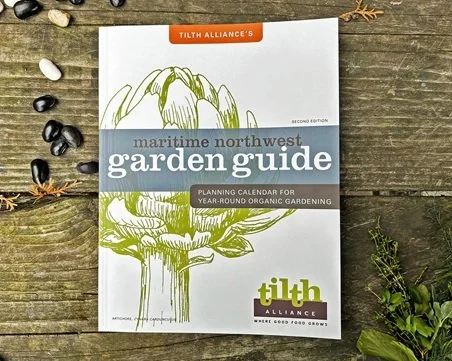 |
Maritime Northwest Garden Guide: Planning Calendar for Year-Round Organic Gardening from Tilth Alliance |
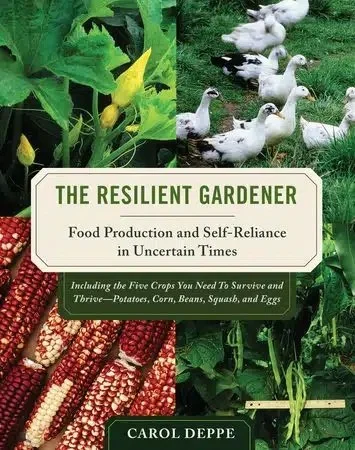 |
The Resilient Gardener: Food Production and Self-Reliance in Uncertain Times by Carol Deppe |
 |
Top 10 Drought Tolerant Edible Plants and Waterwise Tips from Monrovia |
 |
From Rodale Institute: |
If you prefer to learn how to garden from an expert or a group of gardeners, consider volunteering at the Good Cheer garden or farm. Their experienced farmers and gardeners will show you how to grow food as you work alongside them in their garden and farm. Or contact the Island County Master Gardeners for advice.
Composting
You’ll have food scraps and waste that you’ll need to get rid of without attracting pests such as rats. If garbage collection isn’t available, consider composting your food and vegetation waste. Besides managing food waste, you’ll get a rich soil amendment to add to next year’s garden beds!
Resource for composting
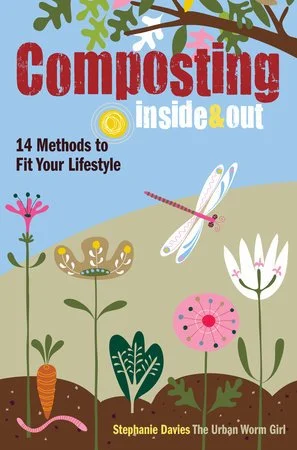 |
Composting Inside and Out: 14 Methods to Fit Your Lifestyle (ebook) by Stephanie Davies |
Foraging for food
If you can’t plant, or if crops aren’t ready, or even if you simply want to expand your food options, you might forage edible food growing naturally in our area. You may have several edible plants growing in your lawn! And don’t forget mushrooms, but be sure you can distinguish poisonous varieties from beneficial ones.
Resources for foraging food
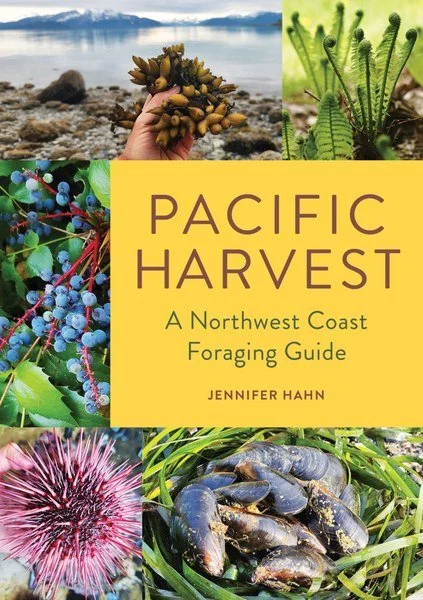 |
Pacific Harvest: A Northwest Coast Foraging Guide by Jennifer Hahn, from Mountaineer Books |
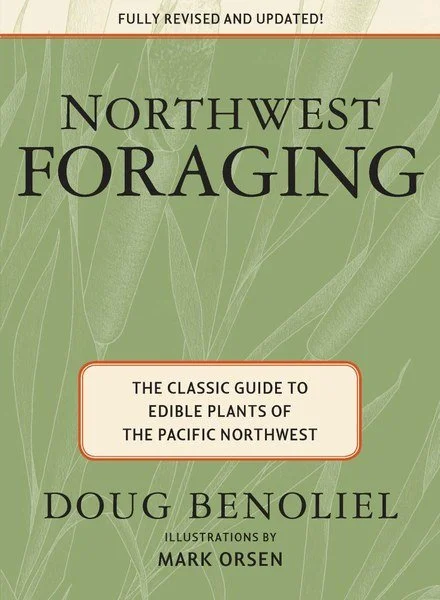 |
Northwest Foraging: The Classic Guide to Edible Plants of the Pacific Northwest by Doug Benoliel, from Mountaineer Books |
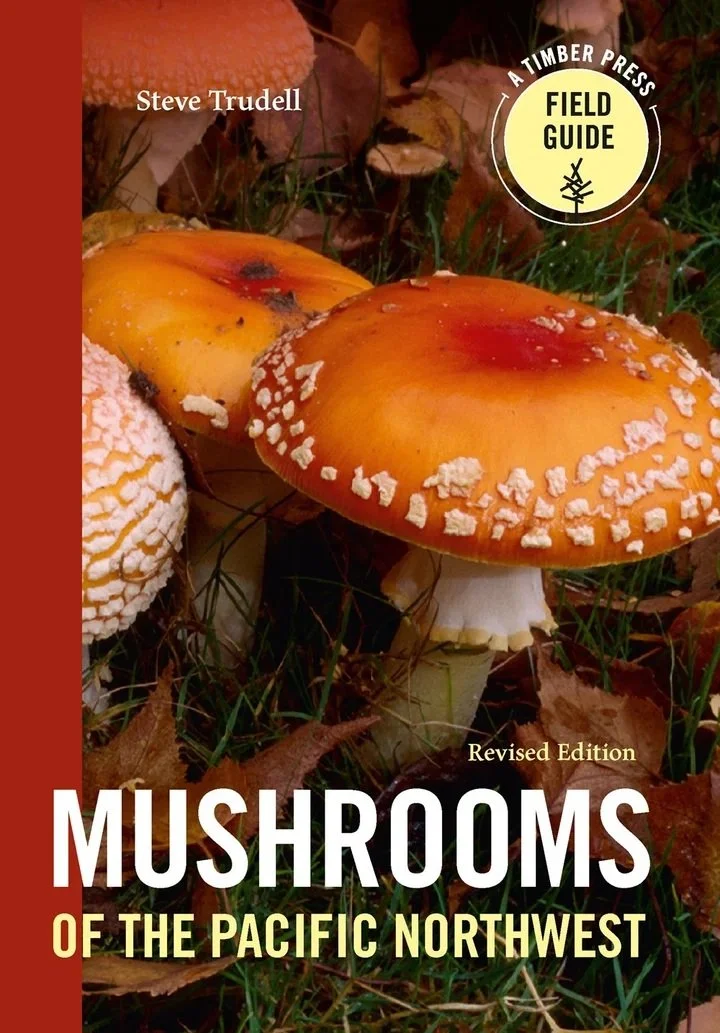 |
Mushrooms of the Pacific Northwest, Revised Edition by Steve Trudell |
Preserving food
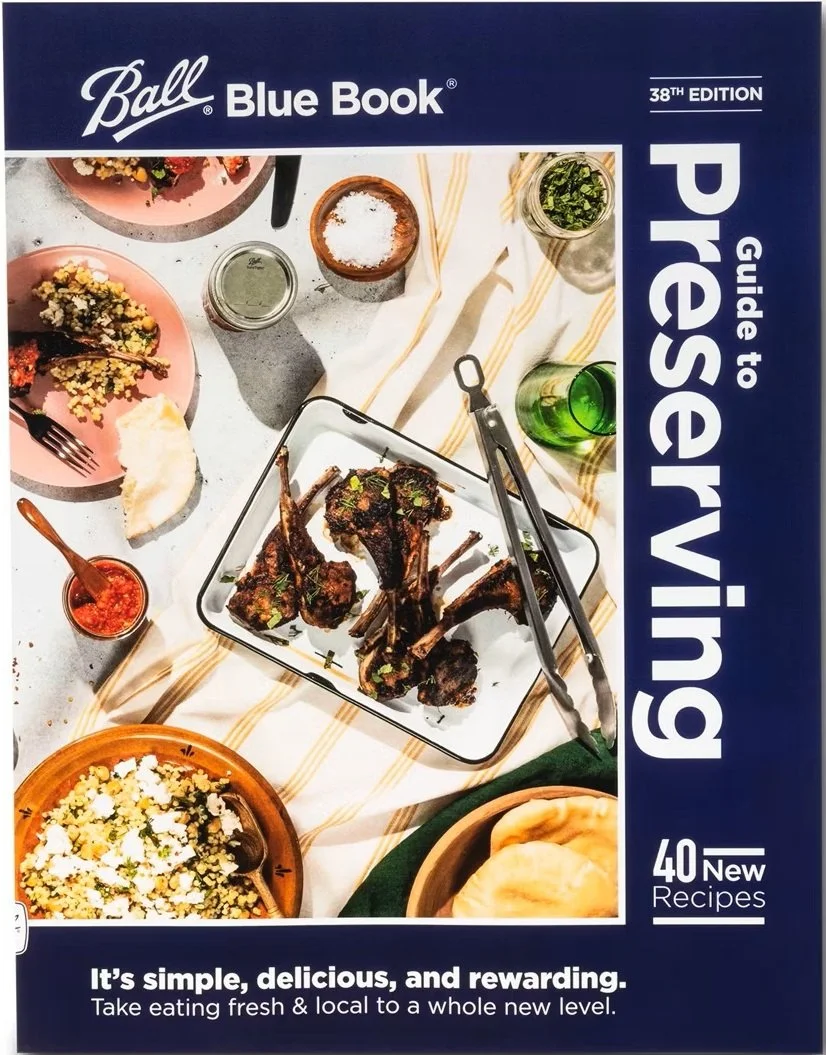
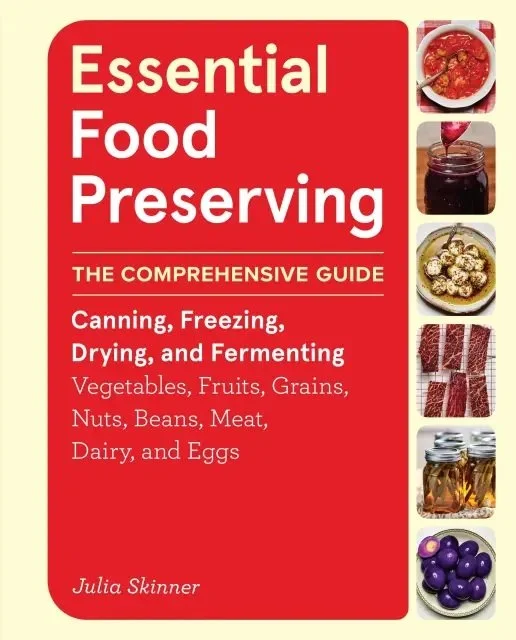
Keeping food edible after harvest is as important as growing it to provide for the months when gardens aren’t producing ripe crops. Whether canning in glass jars, freezing (if you’ll have a working freezer), dehydrating, freeze-drying or fermenting food, you can extend the life of foods for months or even years.
Resources for preserving food
Learn more

Let’s talk
Do you have helpful information to add? Or perhaps a question you’d like to pose to this community? Use the comment box below.