
How to get prepared: Non-radio communications
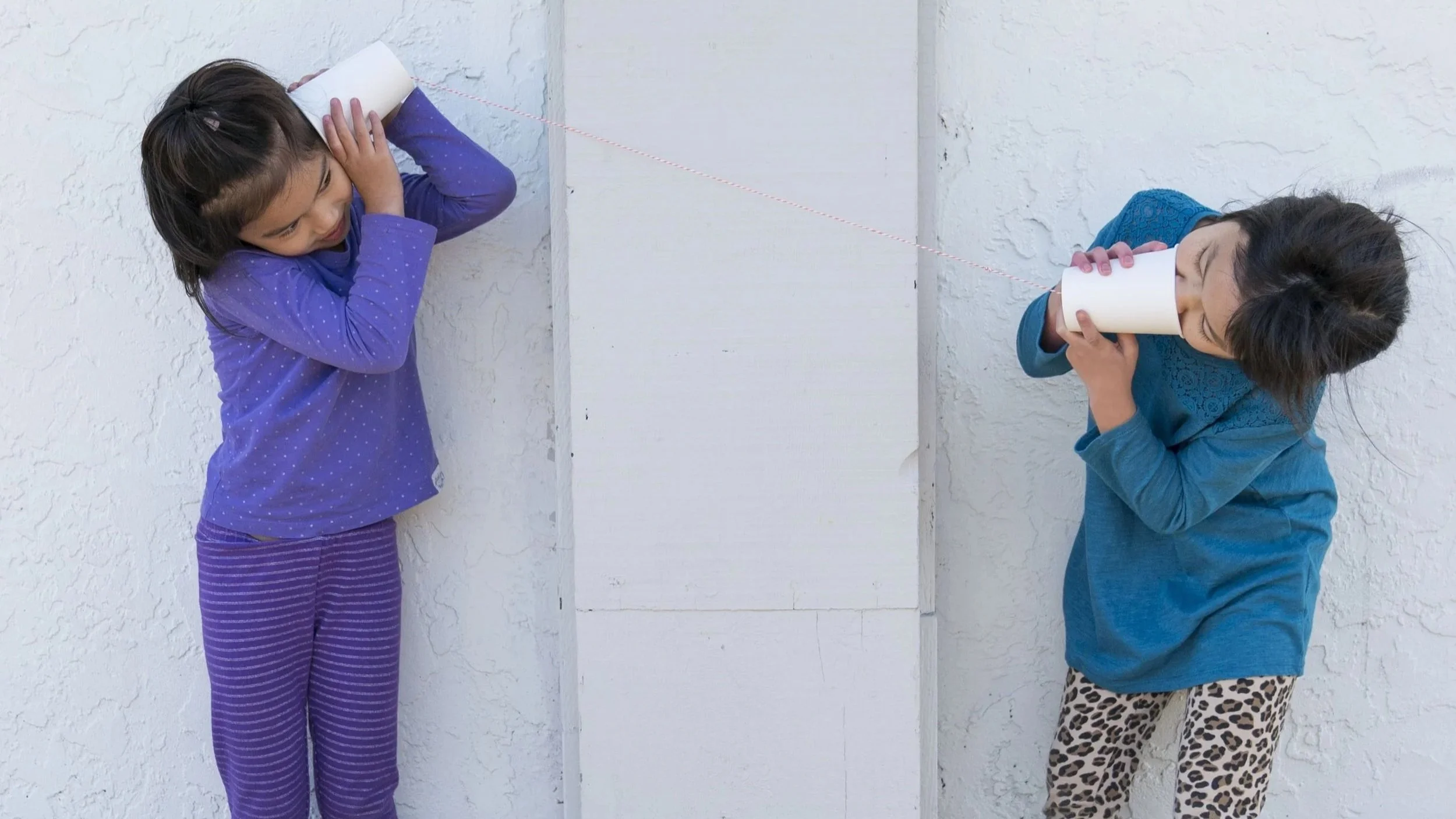
Whether as simple as walking to an information hub on your street or as complex as joining a radio network, preparing for two-way communications when the phone lines and towers may be down is essential to knowing how to proceed in any crisis.
Disaster alerts
Alerts from county, state or federal agencies can give us all a heads-up on an impending disaster, whether a storm, an earthquake or a wildfire.
See Alert apps
Neighborhood phone trees
After disaster strikes, knowing the current situation, what to expect, and what to do is key to taking appropriate action. Organizing old-fashioned phone trees or assembling phone numbers for group texts gets your neighborhood ready to communicate. Remember that not everyone has a mobile phone, so some land-line calls may be needed in addition to group texts.
Neighborhood communications hubs
If phones aren’t working, having a designated information hub within easy walking distance of each person in your neighborhood will be the most effective way to share information. The hub may be someone’s garage, a tent, a bulletin board, or some other place where people can get information. Large neighborhoods may need more than one hub, with communication among hubs. Find out before a disaster where your neighborhood hub will be.
People who aren’t able to walk to an information hub will need a designated buddy who will bring information to them. Prepare for buddies ahead of time, although you may need to adjust after you assess injuries and absences.
Communicating with loved ones
Family and friends outside a disaster zone may need to hear from you and communicate with you. Be sure you have contact information available other than on your phone, which may not be working. You may want to designate one person that you get messages to, and they relay messages to others.
Learn more
Do you have helpful information to add? Or perhaps a question you’d like to pose to this community? Use the comment box below.